What to check before booking Barcelona tours
Barcelona rewards planning, but too much planning can turn a short city break into a spreadsheet. The middle ground is a clear check of what a tour actually includes, how it fits your time, and what happens if plans shift. Before paying for barcelona tours, look past the headline and read the details that shape the day.
A good tour is not simply the one with the most famous names in the title. It is the one that matches how you want to see the city, how much walking you can manage, and how much structure you enjoy. The same route can feel relaxed or rushed depending on group size, timing, commentary, and the space between stops.
Start with the route and the real pace
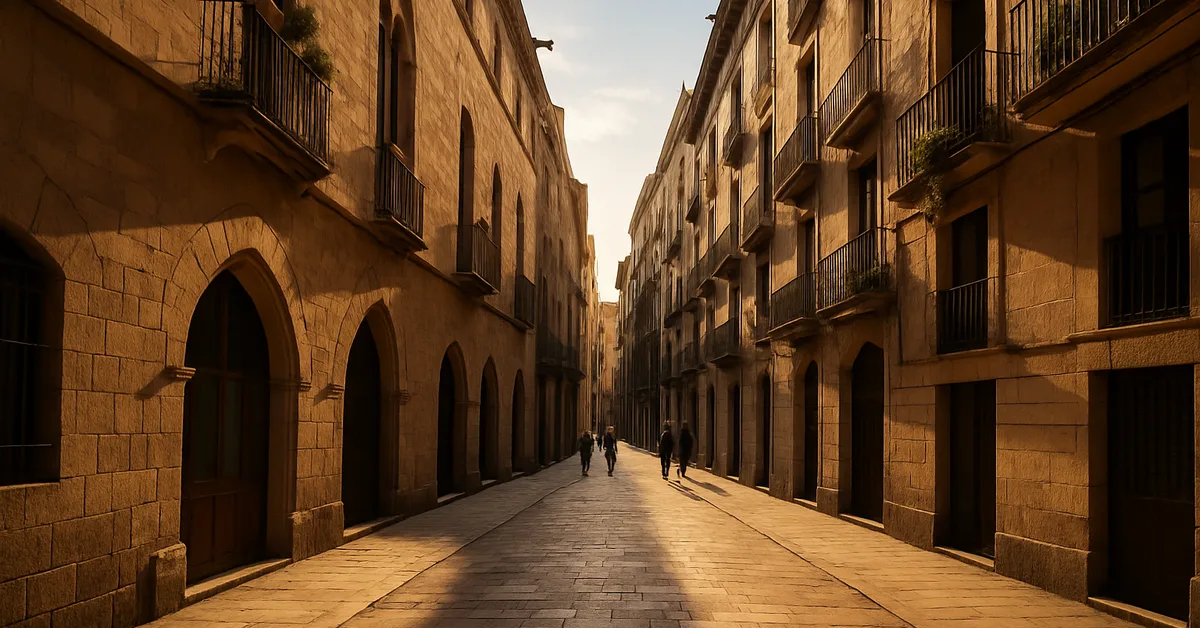
Read the itinerary as a sequence of places and transitions, not as a list of attractions. A route that includes the Gothic Quarter, a market, a cathedral area, and a viewpoint may sound compact, yet the walking between them can add up quickly in warm weather. Check whether the description gives a total duration and whether that time includes entry visits, photo stops, and free time.
Pace matters most in dense areas such as the old city, where narrow streets, crowds, and traffic can slow movement. If the day is described as a walking tour, assume that most of it is on foot and wear shoes that have already been comfortable for a long day. If there are stairs, uneven paving, or steep sections, note them before booking, especially for children, older travelers, or anyone who needs a steadier route.
Also check the order of the stops. Some tours begin near a metro station and end somewhere central, while others require a return to the starting point. That detail affects the rest of your day more than many travelers expect. A morning route ending near a good lunch area can be useful. An evening route ending far from your base may mean an extra transfer after dark.
Check what is included and what is not
Inclusions are where two similar looking tours can differ sharply. One may pass by a landmark, while another goes inside with timed entry. One may include a local guide throughout, while another uses audio commentary at selected points. Neither is automatically better, but the value changes.
- Entry tickets: Confirm whether famous sites are entered or only viewed from outside. If entry is included, check whether the ticket is reserved for a set time or subject to availability.
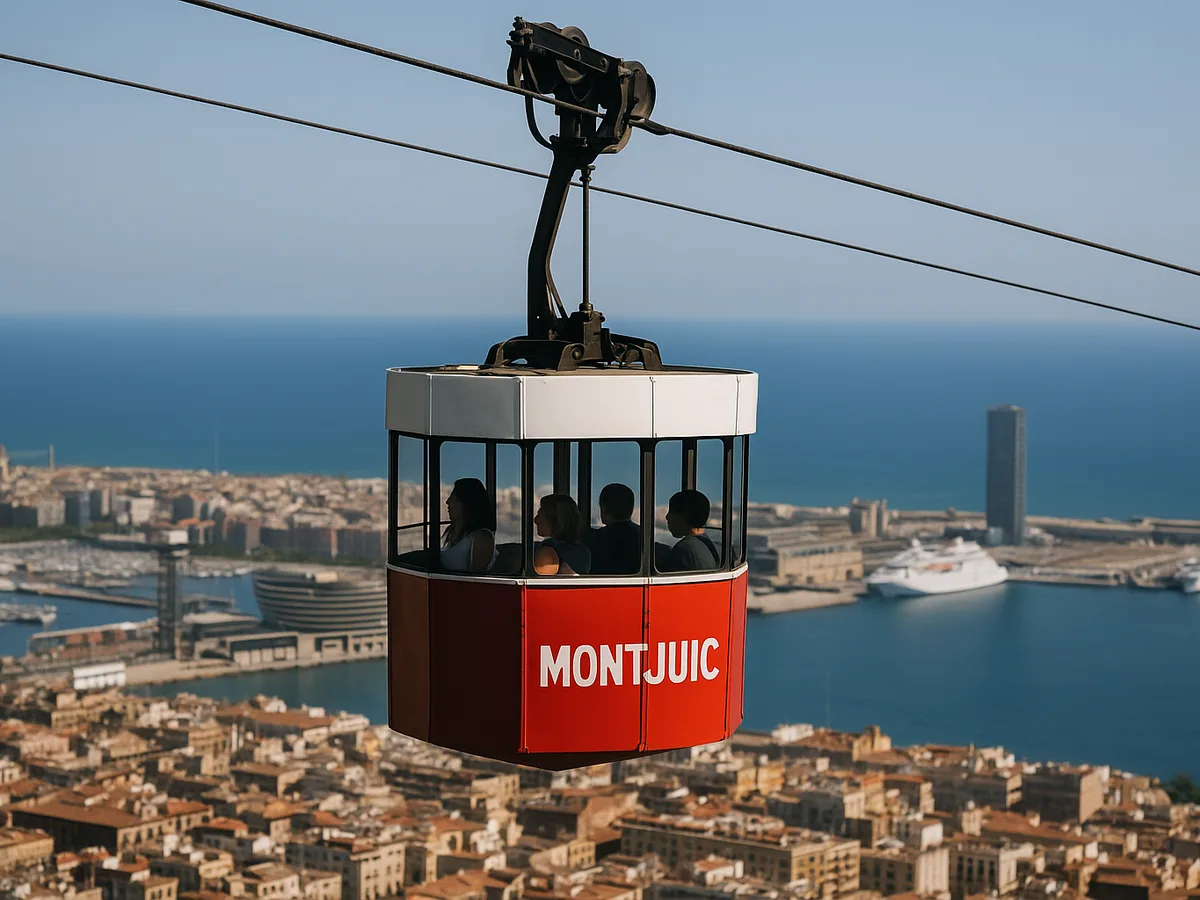
- Transport: See whether metro, bus, cable car, or train rides are part of the plan. If transfers are not included, factor in the time and the cost of getting between points.
- Food and drinks: A tasting tour should state how many stops there are and what type of food is served. If you have allergies or dietary needs, check whether they can be handled before paying.
- Language: Confirm the language of the tour, not just the language of the booking page. Some routes run in more than one language, which can change the pace and the amount of commentary.
- Free time: Look for clear periods when you can browse, take photos, or sit down. A packed schedule may leave little room to enjoy the places you came to see.
When reading the fine print, separate essentials from extras. Entry to a major site may matter more than a souvenir or a small snack. On the other hand, a short tasting stop can be the highlight of a food focused route. Decide which parts you would be disappointed to miss, then choose accordingly.
Look carefully at group size and meeting details
Group size changes the feel of a tour. Smaller groups tend to move more easily through busy streets and allow more questions. Larger groups can still work well, especially for open-air routes, but they may require more waiting at crossings, entrances, and photo spots. If the listing gives a maximum group size, use it as a practical clue rather than a small detail.
The meeting point deserves the same attention. A precise address is more useful than a neighborhood name. Check the nearest metro or bus stop, and allow time to arrive without rushing. For early starts, confirm whether the meeting point is easy to find before the area fills up. For late starts, check how you will get back after the tour ends.
When comparing options, City Tour in Barcelona can be treated as one name to note while you review the wider selection of barcelona tours available. The decision should still rest on the route, inclusions, timing, and terms that suit your plans. A brand name alone does not tell you whether a particular day fits your energy level or schedule.
Match the theme to your interests
Barcelona has several distinct layers, and no single route can cover all of them well. Architecture focused tours suit travelers who want to understand the city through buildings, streets, and design. History focused routes may dwell on medieval lanes, civic life, and older landmarks. Food tours work best for people who enjoy tasting and talking as a way to learn a place. Art routes may suit those who want fewer outdoor stops and more time inside museums.
Family trips need a different filter. Shorter routes, clear breaks, and engaging commentary usually matter more than a long list of sights. If the tour is marketed for adults but allows children, check whether the pace and content will hold their attention. Likewise, a route designed for families may move more slowly than a traveler seeking a deep architectural survey expects.
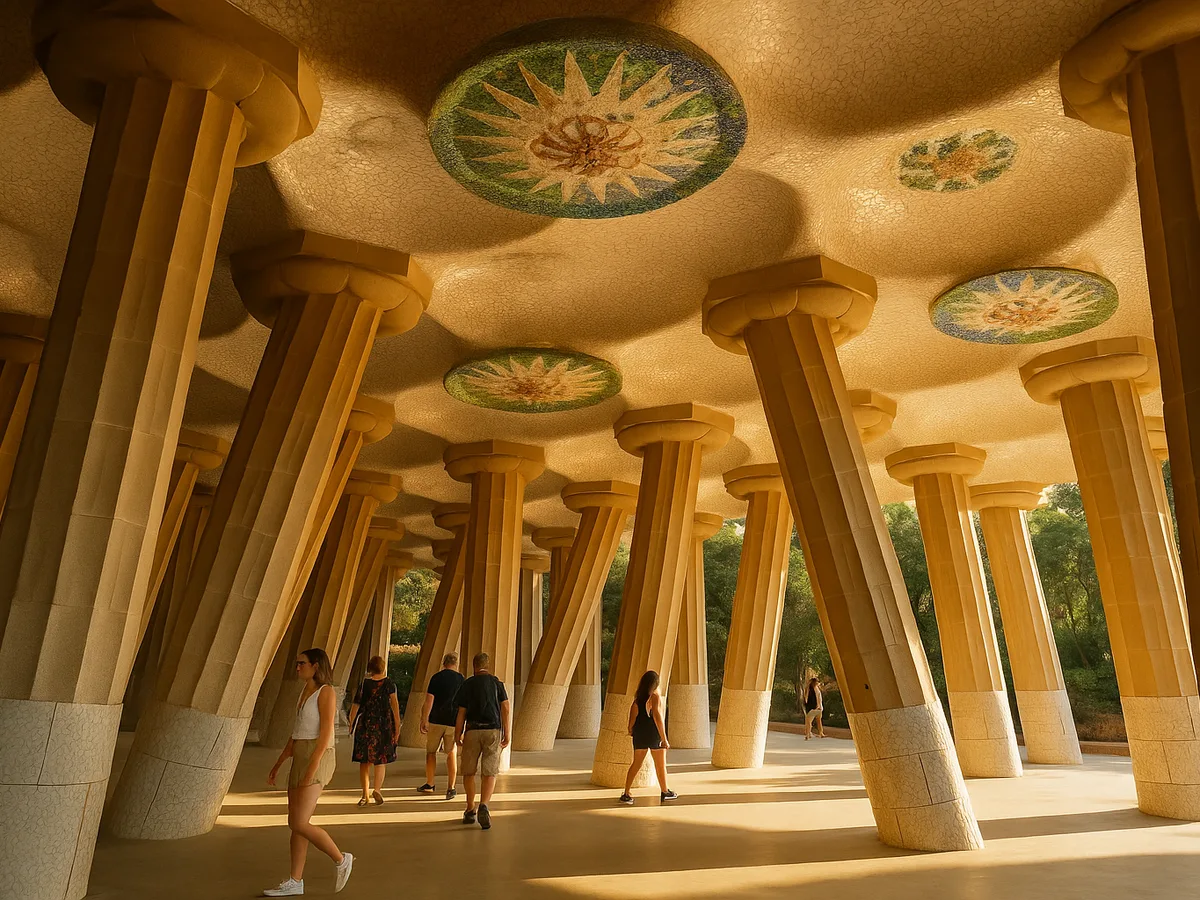
Special interests can narrow the choice further. Gaudi, Gothic architecture, maritime history, street art, and local markets each offer a different view of the city. Choose one strong theme rather than trying to find a tour that claims to cover everything. A focused route usually feels more coherent and leaves space for independent exploration.
Read the timing against your whole day
Barcelona can be warm, busy, and spread out, so timing is not a minor detail. Morning tours often feel fresher in busy districts. Afternoon routes can fit around a late lunch but may run through the hottest part of the day. Evening tours offer a different atmosphere, though some interior sites may not be open in the same way as during daylight.
Check the start time, end time, and the stated duration. Then compare those with your own fixed points, such as a train, a flight, a restaurant booking, or a nap for children. Leave a buffer rather than building a tight connection. City streets and popular entrances can take longer than expected, especially in peak periods.
If you are booking several activities in one day, avoid stacking two walking heavy tours back to back. The first may be excellent, yet the second can feel like a duty. A city break usually works better with one structured activity and one slower block of free time.
Understand the cancellation and change terms
Travel plans change, and the terms attached to a tour can matter as much as the itinerary. Look for the cut-off time for cancellations, whether changes are allowed, and what happens if the tour is altered by weather, transport disruption, or a site closure. Clear terms are easier to trust than vague promises.
Check how updates are sent. A meeting point change or a delayed start can cause real problems if the information arrives only through a page you are unlikely to reopen. Keep confirmation details accessible while you travel, and make sure the name on the booking matches the lead traveler.
It is also wise to check accessibility in plain terms. Ask what the route involves rather than relying on a single label. Steps, cobbles, long standing periods, and narrow entrances can affect comfort even when a site appears open to visitors. If a specific need is listed, seek confirmation that the route can meet it before booking.
Compare reviews with a critical eye
Reviews can be useful when read for patterns rather than praise. Repeated comments about punctuality, clear communication, group size, and pacing say more than a single glowing line. Repeated complaints about unclear meeting points or rushed stops are worth taking seriously, even if the overall rating looks strong.
Pay attention to the date and context of comments. A route can change over time, and seasonal crowds can alter the experience. Look for recent notes that describe the same version of the tour you are considering. If a review mentions an extra stop or a skipped site, check whether that reflects the current itinerary.
Comparison works best when you judge like for like. A short introductory walk and a small group architecture route are different products, even if both mention the same landmark. City Tour in Barcelona is one name you may notice during that comparison, yet the practical check remains the same: what the route covers, how it is delivered, and whether it fits the days you have planned.
Once those points are clear, booking becomes less of a guess. You know how far you will walk, what you will see inside, when the day ends, and what flexibility remains if plans move. That is the kind of preparation that leaves room for the best part of Barcelona: the time between the planned stops.